Nejnavštěvovanější odborný web
pro stavebnictví a technická zařízení budov
estav.tvnový videoportál

Vytápění
Archiv článků od 13.7.2015 do 23.11.2015

Archiv recenzovaných článků

zpět na aktuální články

23.11.2015
Ing. Jan Blažíček, redakce

In a previous article we described current problems of district heating. Their creation is shared by all stakeholders - customers, suppliers and the state. The only difference is that while consumers and suppliers are more or less at the mercy of events, the state is the one who will decide on the future success or failure of the sector. And in this role still failing. The state should support the heating industry, but instead he openly harms.

23.11.2015
Ing. Michal Lom

This paper describes the controller functions, types of control units and from which all components can be composed. Next part is about explaining how to program the controllers can take place, what are the types of controlling and communication protocols that are most frequently used for connection to field devices and supervisor. The whole interpretation is conducted through first theoretical introduction followed by practical example. The whole paper is written exclusively on control units, which are used in building automation and belonging to the group DDC (Direct Digital Control) systems. These controllers are most often used to HVAC systems (Heat, Ventilation and Air Condition). The aim of these systems is to achieve thermal comfort in buildings. The whole industry is then called Measurement and Control. Specific application is e.g. controlling of Air handling unit according to pre-defined project.

16.11.2015
Ing. Jan Blažíček, redakce

The amount of heat consumed by households for heating will continue to decline. The causes of this trend, we can identify more, but they all have one common feature - the growing cost of heat. It is growing because of rising prices of inputs (raw materials, technology, labor) but also due to decreasing consumption of heat (climate change, saving measures).

9.11.2015
Ing. Ladislav Tintěra

The heating period 2014/2015 in Prague based on the observation of Prague-Karlov station was with 222 days, a little shorter, and with an average temperature of 6,4 °C, slightly warmer than the long-term average. Basic characteristic of heat demand for heating is 2803 D°(19) degree days, heat demand is much lower than the long-term average of 3227 D°(19). It's the second lowest number of degree days of the heating period since the beginning of the century.

2.11.2015
prof. Ing. Jiří Bašta, Ph.D., ČVUT v Praze, Fakulta strojní, Ústav techniky prostředí

In today's systems are often also used reflective film. Let us below focus on the physical principle and experimental results. We were interested in saving heat, differences in thermal performance and time to achieve operational status.

2.11.2015
Ing. Jan Blažíček, redakce

The last time we meet with the requirement to improve energy efficiency practically every step, as a result of the implementation of Directive 2012/27/EU into our legislation. The purpose of this regulation is to cause such changes in society and in the energy sector to increase energy efficiency in 2020 by 20% and created the conditions for its further growth in the longer term. The most important area in terms of energy consumption includes heating of buildings.

26.10.2015
Tomáš Krempaský, RevizeKontroly.cz

Owners of residential buildings and their tenants must ensure the implementation of some activities on the technical and fire safety devices in order to ensure their safety and functionality in use. Inspections and checks are therefore not just binding on the applicable regulations, but also may prevent damage to health and property.

19.10.2015
Ing. Miroslav Burišin

The article deals with the change of the basic standard for flue gas of heating appliances. It draws attention to the illegality of technically unjustified distances between flue outlets on the facade and windows or other building openings. The specified distances lead to practical ban on installation of considerably cheaper gas boilers with the flue gas outlet through the facade.

5.10.2015
doc. Ing. Tomáš Matuška, Ph.D., ČVUT v Praze, Univerzitní centrum energeticky efektivních budov

Application of heat pumps in particular water heating and space heating systems for buildings is evaluated by seasonal coefficient of performance determined by calculation procedure based on the design or from the field monitoring of installed system. Primary energy ratio PER is used for comparison of heat pump system with another heat generator from the point of non-renewable primary energy as a measure for environmental impact.

18.9.2015
Česká peleta, z.s.p.o.

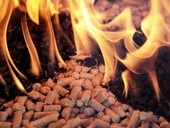
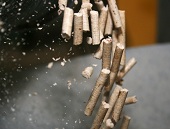
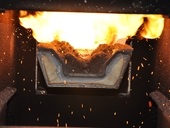
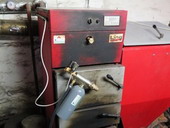
At the turn of 2014/2015 were created by Directive 2009/28 / EC and revised. 406/2000 Coll. – evaluation standards for installers of renewable energy sources. Since July 1, 2015, every person installing subsidized facilities using RES is required to have successfully passing a relevant examination. In the case of biomass boilers is a test of professional competence called Plumber for biomass boilers, code in the National Qualifications Framework is no. 36-149-H.

14.9.2015
doc. Ing. Tomáš Matuška, Ph.D., ČVUT v Praze, Univerzitní centrum energeticky efektivních budov

A number of evaluation parameters has appeared for electrically driven heat pumps in last decade to show their energy performance quality. Text is focused on two parameters which serve for comparison of heat pumps as products – devices for heat supply.

24.8.2015
Ing. Jan Sedlář, ČVUT v Praze Univerzitní centrum energeticky efektivních budov

The paper introduces the energy labelling and ecodesign of heat pumps in accordance with the new European legislative requirements for water and space heaters. This text shows the energy labelling in legislation context and it is followed by next two papers which describe the procedures of heat pumps evaluation for energy labelling in more details.

17.8.2015
Ing. Petr Červený, VOŠ a SPŠ Volyně

The paper deals with complex solution of heating and economy measures regarding ecology of heat sources and preservation of architectural values of the Volyně college-complex. This solution also includes padding warm and exchange of windows in all complexes. New technology in boiled room was installed with application of boiler for fytomass-burning, gas condensation boilers, thermal pump in system air/water and cogeneration unit for supply electric energy.

3.8.2015
doc. Ing. Tomáš Matuška, Ph.D., ČVUT v Praze, Univerzitní centrum energeticky efektivních budov

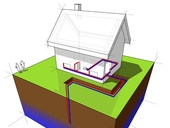
Text presents the simplified calculation procedure for a design of ground borehole for the ground source heat pumps and the detailed method based on the annual energy balance of the building.

20.7.2015
doc. Ing. Tomáš Matuška, Ph.D., ČVUT v Praze, Univerzitní centrum energeticky efektivních budov

Text presents the simplified calculation procedure for a design of ground flat heat exchanger area for the ground source heat pumps and its extension for the case if detailed information on the annual energy balance of the building is known.

13.7.2015
Ing. Jan Koloničný, Ph.D., Ing. Lubomír Martiník, Ing. David Kupka, Ph.D.

The article presents a new condensing boiler with an automatic feeding system and a burner designed for combustion of biomass with high water content. The boiler has a modular layout allowing great variability in arrangement and performance. Heat output of the boiler can vary within the range from 10 to 500 kW. A stand-alone condensation heat exchanger which is essential part of the boiler is designed as self-cleaning without fouling of heat transfer surfaces. The exchanger’s contribution to overall heat output is about 10 % when combusting wood chips with moisture exceeding 40 %.


zpět na aktuální články
 
 
Reklama